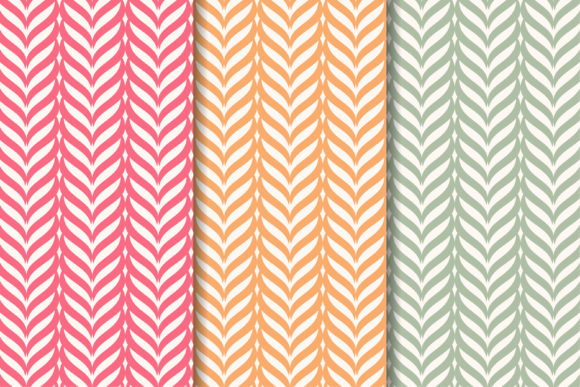
Flat Wave Pastel Pattern
The Flat Wave Pastel Pattern is a versatile and elegant design that combines the fluidity of waves with the softness of pastel colors. This seamless monochrome pattern features abstract wave stripy backgrounds in pink, orange, and green hues, offering a modern and artistic touch to any project. Ideal for designers, creators, and artists looking for a unique yet refined aesthetic, this vector-based artwork provides high-resolution quality at 300dpi, ensuring clarity and precision in every application.
What makes this pattern stand out is its ability to blend simplicity with sophistication. The use of pastel tones adds a calming and stylish vibe, while the wave motif introduces movement and visual interest. Whether used as a backdrop, textile design, or graphic element, the Flat Wave Pastel Pattern offers endless creative possibilities. Its editable nature allows for customization of text, shapes, and colors, making it adaptable to various projects and preferences.
Applications and Creative Uses
The Flat Wave Pastel Pattern is highly versatile, suitable for both digital and print media. Designers can incorporate it into website backgrounds, social media posts, or branding materials to add a subtle yet impactful visual element. For fashion and textile industries, this pattern can be used as a fabric print, creating a fresh and contemporary look for clothing, accessories, or home décor items.
In interior design, the pattern can serve as a wallpaper or decorative element, bringing a modern and elegant feel to any space. Its monochrome structure ensures it complements a wide range of color schemes, making it a flexible choice for both minimalist and vibrant environments. Additionally, the pattern works well as a background for presentations, posters, or marketing collateral, adding a professional and artistic touch without overwhelming the content.
Adapting the Pattern for Different Goals
Depending on the user's needs, the Flat Wave Pastel Pattern can be tailored to suit different goals and audiences. For example, a small business owner might use it as a background for a product catalog or promotional material, enhancing the visual appeal while maintaining a clean and organized layout. A blogger or content creator could integrate it into their website design, creating a cohesive and aesthetically pleasing experience for their audience.
Artists and illustrators may find inspiration in the pattern’s structure, using it as a base for further creative exploration. By adjusting the colors, scale, or repetition, they can develop new interpretations that reflect their personal style. Educators and students can also benefit from this design, using it as a reference for learning about patterns, color theory, and graphic design principles.
Practical Tips for Using the Pattern
To make the most of the Flat Wave Pastel Pattern, consider the following practical tips. First, ensure that the file format matches your intended use. The available formats—Ai, EPS, JPG, and SVG—offer flexibility for different platforms and software. For digital projects, SVG or JPG files are ideal, while Ai and EPS are best suited for professional printing or detailed editing.
When working with the pattern, maintain a balance between simplicity and visual impact. Avoid overloading the design with too many elements, as the pattern itself is already rich in detail. Instead, focus on how it complements other design components, such as typography, images, or illustrations. This approach ensures a harmonious and effective final result.
Another key consideration is consistency. If the pattern is part of a larger design system, ensure that it aligns with other visual elements in terms of color, scale, and style. This helps create a cohesive and professional appearance across all materials. Additionally, test the pattern in different contexts to see how it performs in various sizes and resolutions, ensuring it remains clear and visually appealing.
Exploring Variations and Styles
While the Flat Wave Pastel Pattern has a distinct aesthetic, there are numerous ways to explore variations and styles. Experimenting with color combinations can yield different moods and atmospheres. For instance, replacing the pink and orange hues with softer blues or purples can create a more serene and tranquil feel. Alternatively, introducing a bolder green or yellow can add energy and vibrancy to the design.
Another approach is to modify the wave structure itself. By adjusting the curve, spacing, or direction of the waves, you can create a unique variation that suits your specific project. This level of customization allows for greater originality and ensures that the pattern remains fresh and relevant across different applications.
For those interested in combining the pattern with other design elements, consider integrating it with geometric shapes, floral motifs, or abstract illustrations. This fusion can lead to innovative and dynamic designs that capture attention and convey a strong visual message. However, it’s important to maintain a sense of balance, ensuring that the pattern does not overshadow other design components.
Conclusion
The Flat Wave Pastel Pattern is a powerful tool for designers, artists, and creators looking to add a touch of elegance and creativity to their work. Its seamless structure, pastel color palette, and vector-based format make it a valuable resource for a wide range of applications. Whether used as a background, textile design, or graphic element, this pattern offers versatility, clarity, and aesthetic appeal.
By understanding its potential and experimenting with different uses, users can unlock new creative possibilities and enhance their projects with a unique and refined visual identity. With its high-quality resolution and editable features, the Flat Wave Pastel Pattern is an essential addition to any designer’s toolkit, providing both inspiration and practical value.