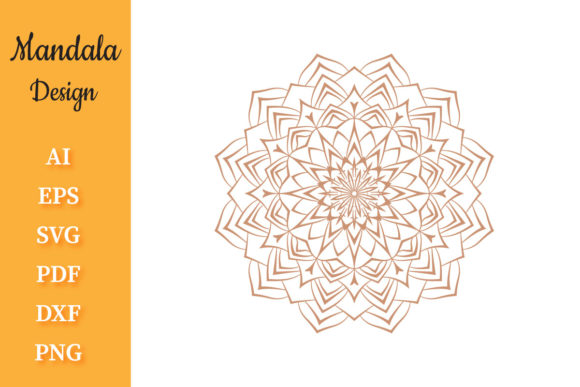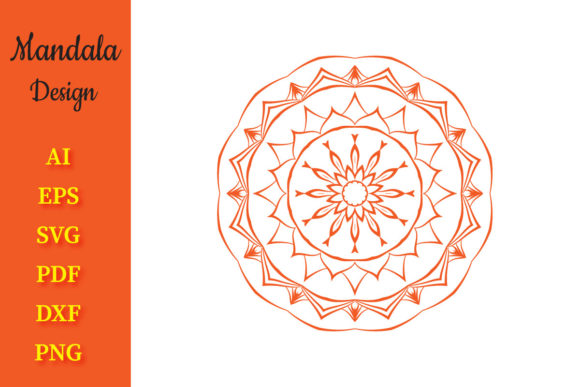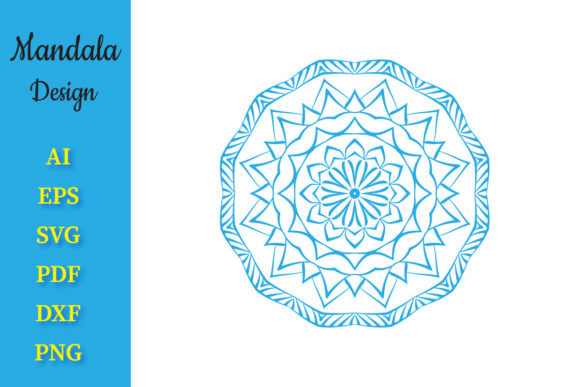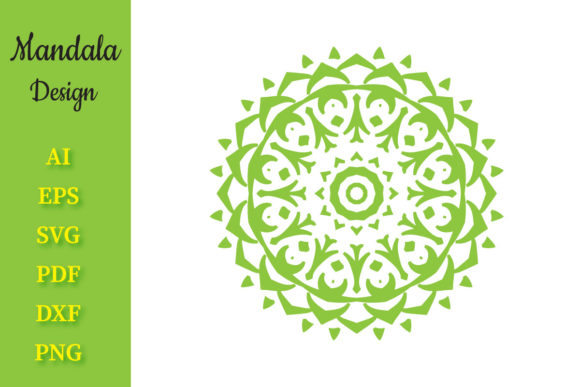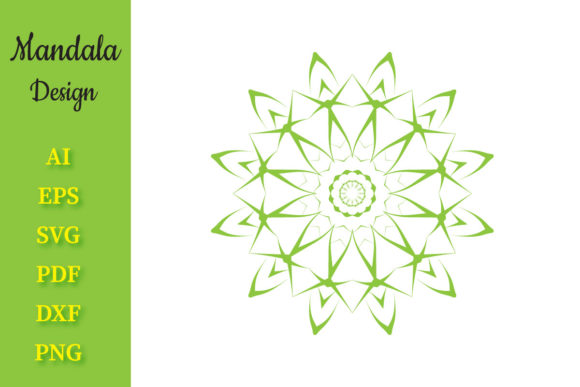
Mandala Design for Patterns Vol.20: A Creative Resource for Diverse Applications
In the world of design, mandalas have long been a symbol of balance, harmony, and intricate beauty. Mandala Design for Patterns Vol.20 expands on this tradition, offering a rich collection of geometric and symbolic patterns that cater to a wide range of creative needs. Whether you're a professional designer, an educator, or a hobbyist, this volume provides a valuable toolkit for visual storytelling and artistic expression.
The versatility of mandalas makes them ideal for various applications. From textile design to digital illustrations, these patterns can be adapted to suit different mediums and purposes. Mandala Design for Patterns Vol.20 ensures that users have access to high-quality, print-ready files that are compatible with multiple software platforms, making it easy to integrate into existing workflows.
Comprehensive File Formats for Flexibility
One of the standout features of Mandala Design for Patterns Vol.20 is the variety of file formats included in the download. This ensures that users can work with the designs in their preferred tools without limitations. The package includes Adobe Illustrator CS CC versions in both AI and EPS formats, which are essential for vector-based editing and scalability. These formats allow for precise adjustments and are ideal for commercial use.
For those who prefer raster graphics, the high-quality PNG files offer a seamless way to incorporate mandalas into digital projects. These images maintain clarity at any size, making them suitable for web design, social media, and other online platforms. Additionally, SVG (Scalable Vector Graphics) files provide a flexible option for interactive and responsive design elements, while DXF (Drawing Exchange Format) files are useful for CAD and 3D modeling applications.
The inclusion of PDF files further enhances accessibility, as they can be viewed, printed, or shared across different devices and platforms. This comprehensive selection of file types ensures that users can adapt the patterns to their specific needs, whether they're working on a personal project or a professional assignment.
Applications Across Industries and Projects
Mandala Design for Patterns Vol.20 is not limited to a single industry or creative field. Its broad appeal makes it a valuable resource for professionals in various sectors. For instance, in the fashion industry, designers can use these patterns to create unique fabric prints, accessories, and garments. The intricate details of mandalas add a touch of sophistication and cultural richness to clothing lines, appealing to consumers who value artistry and craftsmanship.
In the realm of interior design, mandalas can be used to decorate walls, furniture, and textiles. Their symmetrical structure and vibrant colors make them an excellent choice for creating visually engaging spaces. Whether it's a living room, office, or studio, incorporating mandalas can enhance the aesthetic and mood of any environment.
Educators and researchers also benefit from the patterns in Mandala Design for Patterns Vol.20. These designs can be used in classroom settings to teach geometry, symmetry, and cultural symbolism. They serve as practical examples for students to explore mathematical concepts and artistic techniques. Moreover, researchers studying traditional art forms can use these patterns as references for comparative analysis and historical context.
Hobbyists and independent creators find value in the flexibility and creativity that mandalas offer. Whether it's for coloring books, DIY crafts, or personal art projects, the patterns provide endless inspiration. The ability to customize and modify the designs allows for a personalized approach, ensuring that each creation reflects the individual's unique style and vision.
Advantages of Using Mandala Design for Patterns Vol.20
One of the primary advantages of Mandala Design for Patterns Vol.20 is its focus on quality and precision. Each pattern is meticulously crafted to ensure clarity, consistency, and visual appeal. This attention to detail makes the designs suitable for both small-scale and large-scale projects, as they retain their integrity regardless of the size or medium.
Another benefit is the ease of use. The availability of multiple file formats means that users can quickly access and implement the patterns without the need for extensive conversion or editing. This saves time and effort, allowing creators to focus on the actual design process rather than technical hurdles.
The diversity of the patterns also contributes to their usefulness. Mandala Design for Patterns Vol.20 includes a wide range of styles, from traditional to modern, ensuring that there is something for every taste and application. This variety enables users to experiment with different aesthetics and find the perfect fit for their projects.
Furthermore, the resource supports both digital and physical production. Whether you're designing for a website, a print publication, or a product, the patterns can be adapted to meet the requirements of each medium. This adaptability makes Mandala Design for Patterns Vol.20 a versatile asset for any creative endeavor.
Considerations for Effective Use
While Mandala Design for Patterns Vol.20 offers numerous benefits, it's important to consider certain factors when using the designs. One key aspect is the licensing and usage rights associated with the files. Users should review the terms of use to ensure that they are compliant with any restrictions, especially if the designs are intended for commercial purposes.
Another consideration is the need for customization. Although the patterns are well-designed, they may require adjustments to fit specific project requirements. This could involve altering colors, scaling, or combining elements to achieve the desired outcome. Understanding the capabilities of the file formats can help users make informed decisions about how to modify the designs effectively.
Additionally, users should be mindful of the intended audience and context. While mandalas are generally appreciated for their beauty and symbolism, they may carry different meanings in various cultures. It's important to approach the use of these patterns with sensitivity and awareness, particularly when working on projects that involve diverse communities or cultural narratives.
Lastly, maintaining the original quality of the designs is crucial. When modifying or integrating the patterns into new projects, users should strive to preserve the integrity and visual impact of the original artwork. This ensures that the final result remains true to the essence of mandala design while meeting the needs of the project.
Conclusion
Mandala Design for Patterns Vol.20 is more than just a collection of designs; it's a comprehensive resource that empowers creators across different fields. Its high-quality files, diverse applications, and user-friendly format make it an invaluable tool for anyone looking to incorporate mandalas into their work. By leveraging the strengths of this volume, users can unlock new possibilities for creativity, education, and expression.