Patterns with Cereal Grass Leaves: A Versatile Design Element for Fabric and Decoration
Patterns with cereal grass leaves offer a unique and elegant way to enhance visual appeal in various design projects. These patterns, often created as seamless designs, feature the silhouettes of cereal grass leaves, making them ideal for use in fabric printing, decorative arts, and more. Whether you're a designer, a manufacturer, or an individual looking to add a natural touch to your creations, understanding how to effectively use these patterns can open up new possibilities.
What Are Patterns with Cereal Grass Leaves?
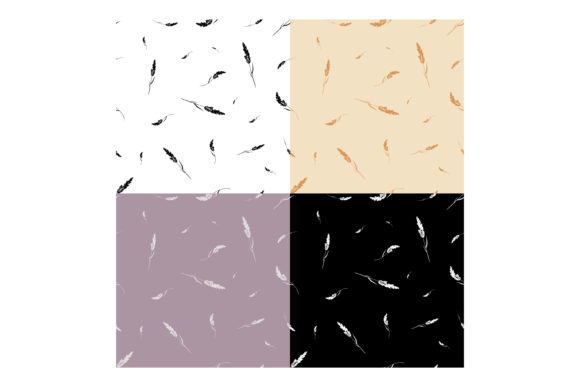
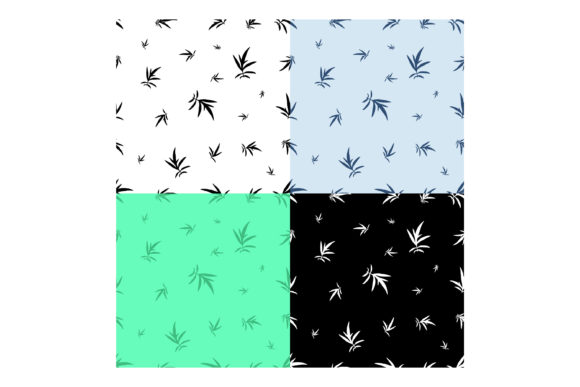
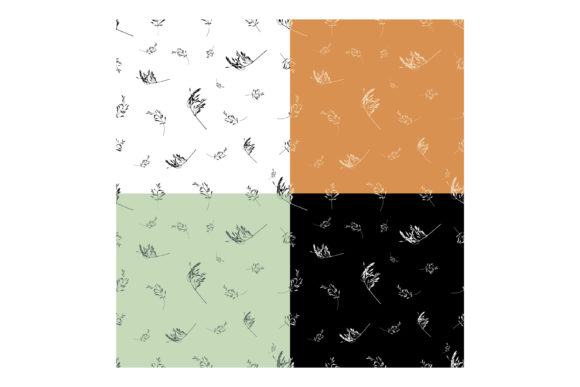
Patterns with cereal grass leaves are graphic designs that incorporate the outlines or shapes of grasses commonly found in cereal crops such as wheat, barley, or rye. These patterns are typically created using vector graphics, allowing for high-quality scalability without loss of detail. The silhouettes of the leaves are often arranged in repeating, seamless layouts, making them perfect for textile applications like clothing, home décor, or packaging materials.
These patterns are not only aesthetically pleasing but also carry a sense of organic beauty and simplicity. Their clean lines and natural forms make them adaptable to a wide range of styles, from rustic and traditional to modern and minimalist.
Challenges and Needs in Design and Decoration
Designers and manufacturers often face challenges when trying to balance aesthetic appeal with practicality. For instance, creating a pattern that is both visually engaging and suitable for mass production can be difficult. Similarly, those looking to add a natural element to their work may struggle with finding the right style that complements their project without overwhelming it.
Another common challenge is ensuring that the chosen design fits well with the intended application. Whether it's for fabric, wall art, or digital media, the pattern must align with the medium's requirements. This includes considerations like color schemes, scale, and the overall visual harmony of the design.
How Patterns with Cereal Grass Leaves Can Help
Patterns with cereal grass leaves provide a solution to many of these challenges. Their simple, repetitive structure makes them easy to adapt for different uses. For example, they can be used as background elements in textiles, adding texture and depth without distracting from other design components.
Additionally, these patterns are highly customizable. By adjusting the size, spacing, and arrangement of the leaf silhouettes, designers can create unique variations that suit specific projects. This flexibility allows for creative exploration while maintaining a cohesive look.
Practical Applications and Outcomes
The versatility of Patterns with Cereal Grass Leaves makes them valuable across multiple industries. In the textile sector, they are frequently used in fabric prints for clothing, upholstery, and accessories. Their natural aesthetic can evoke a sense of calm and sophistication, making them popular in both casual and formal settings.
In home décor, these patterns can be applied to wallpaper, curtains, or throw pillows, bringing a touch of nature indoors. They are especially effective in spaces that aim to create a relaxed, earthy atmosphere. For example, a living room adorned with fabric featuring cereal grass leaf patterns can feel more inviting and harmonious.
For digital designers, these patterns can serve as backgrounds or overlays in web design, branding, or editorial content. Their clean lines and minimalistic approach make them ideal for modern, uncluttered designs that prioritize clarity and readability.
Examples and Recommendations
Consider using Patterns with Cereal Grass Leaves in the following scenarios:
- Fabric Printing: Use them as a base pattern for t-shirts, tote bags, or scarves to add a subtle, natural touch.
- Wall Art: Print the patterns on canvas or paper to create a unique, artistic statement in any room.
- Packaging Design: Incorporate them into product packaging to emphasize eco-friendly or organic themes.
When selecting a pattern, pay attention to the level of detail and the overall composition. Some patterns may have intricate leaf arrangements, while others are more abstract. Choose one that matches the tone and purpose of your project.
Approaches for Different Users
Users may approach the use of Patterns with Cereal Grass Leaves in different ways depending on their goals and expertise. For instance:
- Professional Designers: May focus on customizing the patterns to fit specific brand identities or client needs.
- DIY Enthusiasts: Might explore free or affordable resources online to experiment with these designs at home.
- Manufacturers: Could integrate the patterns into large-scale production processes, ensuring consistency and quality.
Regardless of the approach, the key is to understand how the pattern interacts with other design elements and the intended audience. Testing different versions or seeking feedback can help refine the final outcome.
Final Thoughts
Patterns with Cereal Grass Leaves offer a beautiful and functional way to enhance design projects. Whether used in fabric, decoration, or digital media, they bring a natural elegance that resonates with a wide range of audiences. By considering the unique needs of each project and exploring the various applications, users can unlock the full potential of these versatile patterns.
As you continue to work with Patterns with Cereal Grass Leaves, remember that their true value lies in their ability to blend form and function. With thoughtful implementation, they can transform ordinary designs into something truly remarkable.