Seamless Patterns with Cereal Grass
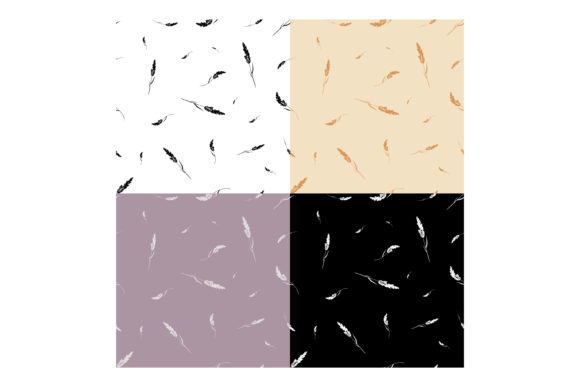
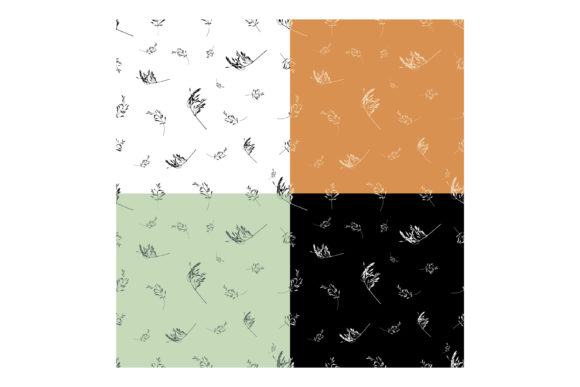
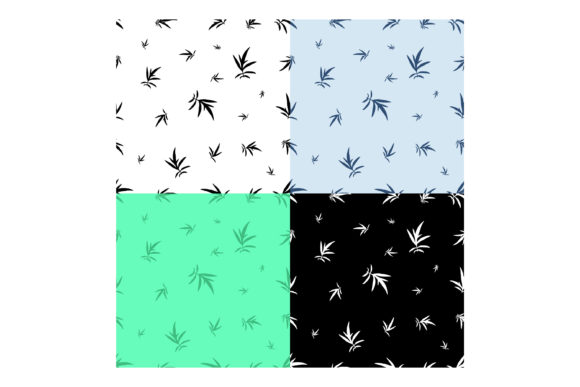
Seamless patterns with cereal grass offer a unique blend of natural aesthetics and design versatility. These patterns, often created in vector format, feature the elegant silhouettes of cereal grasses, making them ideal for decorative use and fabric printing. Their clean lines and organic shapes provide a modern yet timeless appeal, suitable for a wide range of creative applications.
What makes these patterns particularly interesting is their ability to merge simplicity with sophistication. The repetitive nature of seamless designs allows for continuous, unbroken visuals that can be used across textiles, packaging, digital graphics, and more. When combined with the natural form of cereal grass, they bring an earthy, grounded feel that resonates with both contemporary and traditional design sensibilities.
Exploring Creative Possibilities
Designers and artists can use seamless patterns with cereal grass in numerous ways. For instance, they can serve as background elements in graphic design projects, adding texture and depth without overwhelming the composition. In fashion, these patterns can be printed on fabrics for clothing, accessories, or home décor items, offering a fresh alternative to more conventional motifs.
For illustrators and printmakers, cereal grass patterns can be adapted into custom illustrations, stationery, or even wall art. The key is to maintain clarity and consistency while allowing room for personal interpretation. By experimenting with color schemes, layering, and scale, creators can transform a simple pattern into a powerful visual statement.
Applications Across Industries
The practicality of seamless patterns with cereal grass extends beyond artistic expression. Marketers and brand developers can leverage these designs to create cohesive visual identities that reflect sustainability, nature, or rustic charm. For example, eco-friendly brands might incorporate these patterns into packaging or promotional materials to emphasize their commitment to environmental values.
Educators and hobbyists can also benefit from using these patterns in craft projects or classroom activities. They provide a structured yet flexible base for students or DIY enthusiasts to explore design principles, such as repetition, symmetry, and balance. Additionally, they can be used in digital illustration tools to build custom textures for web or app interfaces.
Adapting for Different Audiences and Contexts
One of the strengths of seamless patterns with cereal grass is their adaptability. A designer targeting a minimalist audience might focus on monochrome or low-contrast versions of the pattern, emphasizing clean lines and negative space. On the other hand, a designer aiming for a vibrant, playful aesthetic could introduce bold colors and dynamic layouts to capture attention.
For small business owners, these patterns can be a cost-effective way to enhance product offerings. Whether it's creating custom t-shirts, tote bags, or home decor items, the seamless nature of the design ensures that the pattern looks professional and polished when printed at scale. This makes them especially valuable for entrepreneurs looking to differentiate their products in a competitive market.
Practical Tips for Effective Use
To get the most out of seamless patterns with cereal grass, it's important to consider the intended use and audience. Start by defining the purpose of the design—whether it's for a commercial product, a personal project, or a digital asset. This will help guide decisions about color, scale, and complexity.
When working with vector files, ensure that the pattern is properly tiled and free of visible seams. This not only enhances the visual quality but also makes the design easier to edit and customize. Tools like Adobe Illustrator or Inkscape are excellent for creating and refining seamless patterns, allowing for precise control over every element.
Additionally, think about how the pattern will be viewed in different formats. A design that works well on a website may need adjustments when printed on fabric. Testing the pattern in various contexts can help identify potential issues and improve overall effectiveness.
Realistic Examples and Inspiration
Consider a lifestyle blog that wants to create a series of printable wall art. Using a seamless cereal grass pattern as a base, the designer could add text, illustrations, or other elements to create a cohesive look. This approach not only saves time but also ensures a professional finish that aligns with the blog’s aesthetic.
Another example is a textile company looking to expand its product line. By incorporating seamless cereal grass patterns into its fabric designs, the company can offer customers a fresh, nature-inspired option that stands out in a crowded market. This could be particularly appealing to consumers who value sustainability and unique design.
Conclusion: Embracing Natural Design Elements
Seamless patterns with cereal grass represent a powerful intersection of nature and design. Their simplicity, versatility, and visual appeal make them a valuable resource for creators across industries. Whether used for fabric printing, graphic design, or educational purposes, these patterns offer endless possibilities for innovation and expression.
By understanding the strengths and limitations of this design element, users can unlock new creative opportunities and elevate their work with a touch of organic beauty. With careful planning and thoughtful application, seamless cereal grass patterns can become a staple in any designer’s toolkit.